Summer Lawn Maintenance During a Myrtle Beach Drought

Summer in Myrtle Beach means long days, high temperatures, and plenty of hot sun. However, it also means that keeping your lawn healthy during drought season is one of homeowner’s biggest seasonal challenges. Even if we see the occasional afternoon thunderstorm, July and August often bring extended periods of heat and dry conditions that can leave grass looking brown and overall dead. Still, summer lawn maintenance doesn’t have to be difficult.
The good news is that with a few smart lawn care practices, you can help your yard stay greener and healthier throughout the hottest months of the year. And yes – even make it safely into the fall!
Why Lawns Struggle in July
During the peak of summer, grass has to work much harder to survive. High temperatures increase evaporation, meaning moisture leaves the soil much faster than your lawn can absorb it. Combined with periods of little rainfall, your grass can quickly become dehydrated. Signs of drought stress include:
- Grass turning blue-gray or brown
- Footprints remaining visible after walking across the lawn
- Dry, brittle blades
- Slow or stopped growth
While some warm-season grasses naturally go dormant during extreme heat, proper care can help minimize damage and encourage a faster recovery once temperatures cool.
Water Smarter, Not More
One of the biggest mistakes homeowners make is watering too often for short periods. Instead, aim for deep, infrequent watering that encourages roots to grow deeper into the soil. For most Myrtle Beach lawns:
- Water early in the morning, ideally between 5 a.m. and 9 a.m.
- Give your lawn about 1 to 1.5 inches of water per week, including rainfall.
- Avoid watering during the hottest part of the day when much of the moisture evaporates before reaching the roots.
If your area is experiencing drought restrictions, prioritize deep watering on allowed days rather than light daily watering.
Raise Your Mower Blade
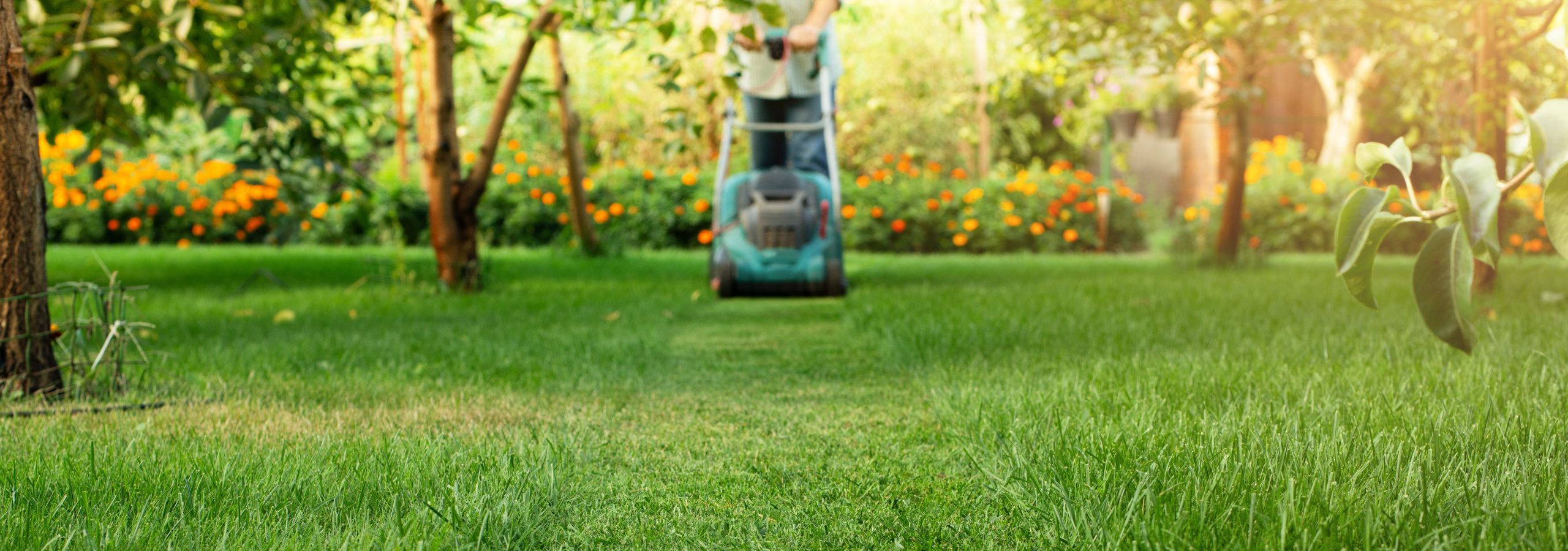
During extreme heat, resist the urge to cut your lawn short. Keeping your grass slightly taller provides natural shade for the soil, helping retain moisture and protecting the root system from excessive heat. Removing more than one-third of the grass blade at a time can put additional stress on an already struggling lawn.
Also, make sure your mower blades stay sharp. Dull blades tear the grass instead of making a clean cut, leaving your lawn more vulnerable to disease and drought stress.
Extra Tips for Surviving a Summer Drought
Even healthy lawns need a little extra attention during dry spells. Here are a few additional ways to protect your landscape:
- Leave grass clippings on the lawn to help retain moisture and return nutrients to the soil.
- Minimize foot traffic on drought-stressed grass whenever possible.
- Hold off on heavy fertilization during extreme heat, as it can place additional stress on your lawn.
- Inspect your irrigation system regularly to ensure water is reaching every part of your yard efficiently.
- Refresh mulch around trees, shrubs, and flower beds to reduce evaporation and keep roots cooler.
Know When to Call a Professional
If your lawn continues to struggle despite regular watering and maintenance, there may be a larger issue at play. Soil compaction, poor drainage, irrigation problems, or nutrient deficiencies can all contribute to declining lawn health.
A professional landscaping team can evaluate your property, identify the underlying cause, and recommend solutions that help your lawn recover while preparing it for the seasons ahead.
Start Planning for Fall with Elite Coastal Landscaping
While you’re keeping up with your summer lawn maintenance, it’s also the perfect time to start planning your fall outdoor projects. Whether you’re dreaming of a new paver patio, outdoor kitchen, retaining wall, fire pit, or a complete landscape makeover, getting started now means you’ll be ready to enjoy your upgraded outdoor space when cooler weather arrives.
At Elite Coastal Landscaping, we proudly provide expert landscaping and hardscaping services throughout the Myrtle Beach area. Learn more about how we can help or give us a call at (843) 712-1814 for a free consultation.